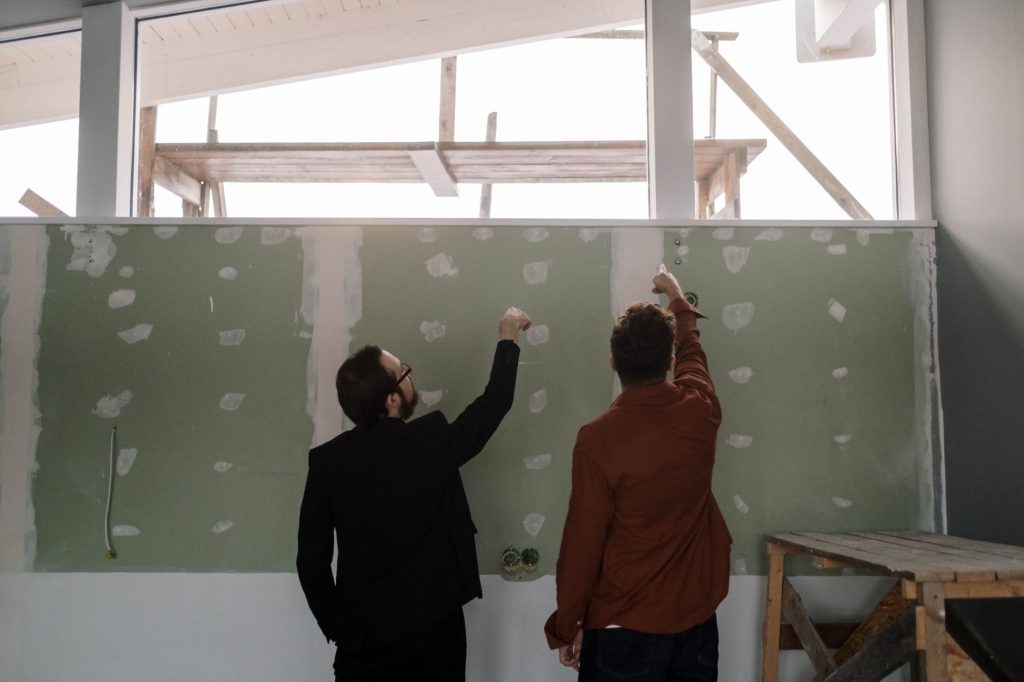
After enough years on job sites, you stop being surprised by the surprises. What still catches me off guard is how confidently homeowners repeat things about remodeling that simply aren’t true. These beliefs feel like common sense, which is exactly why they cost people money and sleep.
I’m not writing this to scold anyone. Most of these ideas came from a friend’s bad experience or a half-remembered article. But if you’re about to spend real money on your house, it’s worth hearing how a project actually behaves versus how people assume it will.
The Lowest Bid Myth
The cheapest number on the page is almost never the cheapest project. A low bid usually means one of three things: the contractor missed something in the scope, they plan to make it up in change orders, or they’re cutting a corner you won’t see until it fails. I’ve walked into homes where the original builder saved the owner a few thousand dollars and left behind a repair that cost five times that.
Read what’s included, not just the total. A thorough bid that accounts for demolition surprises, proper materials, and realistic labor is worth more than a thin one that looks like a bargain on day one.
Why Timelines Slip
People treat the estimated finish date like a contract with the universe. It isn’t. A timeline is a plan built on assumptions, and houses love to violate assumptions. Open a wall and find old knob-and-tube wiring, and the schedule moves. Wait three weeks on a backordered cabinet, and it moves again.
A fixed timeline that never budges usually means the contractor is padding it heavily or planning to rush. What you actually want is honest updates when reality shifts, not a promise that pretends reality won’t.
Permits Aren’t Optional
Every so often a homeowner asks if we can skip the permit to save time and fees. The short answer is no, and you don’t want us to. An unpermitted addition or improperly inspected electrical job becomes your problem when you sell, when you file an insurance claim, or when something burns. Inspectors aren’t the enemy. They’re a second set of eyes confirming the work won’t hurt you later. The fee is small next to what unpermitted work can cost down the road.
Communication Beats Pressure
Homeowners sometimes think leaning hard on a crew makes things move faster. In practice, pressure produces shortcuts and defensiveness. What actually keeps a job on track is a steady flow of information in both directions. A quick weekly check-in where you hear what’s coming and raise concerns early will do more than any amount of hovering.
The best outcomes I’ve seen came from clients who asked questions calmly and decided quickly. The worst came from silence followed by an explosion three weeks too late to fix anything cheaply.
Blaming the Contractor First
When something goes wrong, the contractor is the easy target, and sometimes rightly so. But plenty of problems trace back to a late material selection, a change of mind mid-build, or a decision the homeowner made against advice. A good builder owns their mistakes. A fair homeowner recognizes that a remodel is a partnership, and that some delays sit on their side of the table. That honesty on both ends is what keeps a project from turning adversarial.
Trusting the Wrong Reviews
A five-star average tells you less than you think. I’d rather a homeowner read the three-star reviews and see how the company responded when a job got hard. Look for patterns: repeated complaints about cleanup, missed calls, or surprise costs mean something. A single dramatic story usually doesn’t. When you’re comparing a Kitchen Remodeling Contractor Lake Oswego homeowners recommend, weigh how the firm handled its rough moments over how loudly it celebrates its good ones. Ask for references on projects like yours, and actually call them.
None of this is meant to make remodeling sound frightening. It’s meant to make it predictable. Once you let go of the myths, the whole process gets calmer.
- The lowest bid is rarely the lowest final cost.
- Honest timeline updates beat rigid promises.
- Permits protect you, not slow you down.
- Read how a contractor responds to bad reviews, not just good ones.